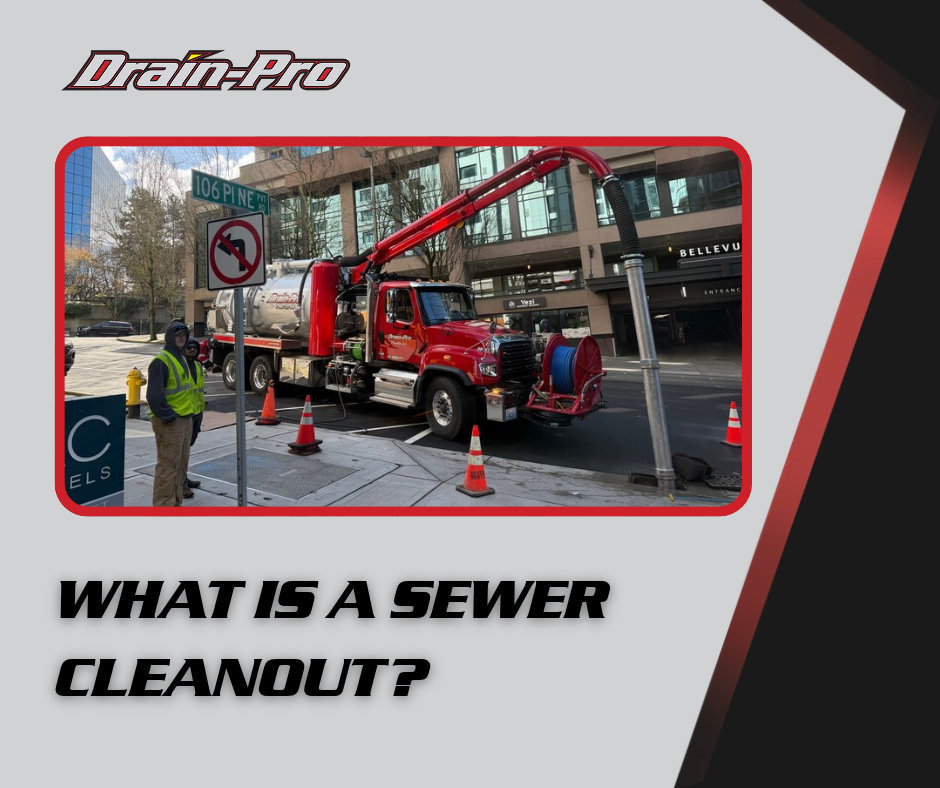
Most homeowners know where the electrical panel and water shutoff are located, but far fewer know where to find another important part of the property: the sewer cleanout. A sewer cleanout provides direct access to the main sewer line so technicians can inspect, clean, and troubleshoot the pipe when problems develop. When a sewer line backs up, knowing where the cleanout is located can make diagnosing and addressing the problem much easier.
Because the cleanout usually stays out of sight until something goes wrong, many homeowners do not think about it until they are already dealing with slow drains, gurgling toilets, or sewage backing up inside the house. Understanding what a sewer cleanout is and where it is located can make a big difference during both routine maintenance and a plumbing emergency.
A sewer cleanout is an access point connected to a property’s main sewer line. It usually consists of a pipe with a removable cap or plug that allows specialized cleaning and inspection equipment to enter the line. Depending on the property, there may be one cleanout or several. The exact design and location can vary based on the age of the home, plumbing layout, local construction practices, and any changes made to the sewer system over the years.
Some sewer cleanouts are located outside the home near the foundation, while others may be found in basements, crawlspaces, garages, utility areas, or landscaped sections of the property. An exterior cleanout often looks like a capped pipe extending slightly above ground level. In older homes, however, landscaping changes can make these access points difficult to find. Soil, bark, plants, or other materials may have covered a cleanout that was once easy to see.
For homeowners who have recently purchased a property, locating the sewer cleanout before an emergency happens is a smart step. It can save time if the main sewer line ever becomes blocked and also gives you a better understanding of how your home’s wastewater system is arranged.
The main sewer line carries wastewater away from toilets, sinks, showers, washing machines, and other plumbing fixtures. If that line becomes restricted or blocked, wastewater may have nowhere to go. A cleanout provides direct access so a professional can evaluate and service the sewer line without automatically beginning with more invasive methods. Depending on the situation, technicians may use this access point for drain cleaning equipment, hydro jetting, or pipe video inspection.
When one sink or shower drains slowly, the problem may be isolated to that specific fixture. When several plumbing fixtures start behaving strangely at the same time, however, the main sewer line may be involved. Multiple slow drains, toilets that gurgle when another fixture is used, water appearing in a bathtub or shower when a toilet is flushed, a floor drain backing up, or repeated clogs throughout the house can all point to a larger sewer line problem.
Sewer lines can become restricted for many different reasons. Grease, soap residue, waste, and other debris may gradually build up inside the pipe. Items that should not have been flushed can also create blockages. Tree roots may enter through joints, cracks, or damaged portions of the line in search of moisture. Older sewer pipes can shift, deteriorate, crack, or develop structural problems, and poor slope or low sections of pipe can allow wastewater and debris to collect instead of flowing properly.
Because there are many possible causes, identifying what is happening inside the line is important before deciding on a solution. A line filled with buildup may respond well to professional cleaning, while a damaged or collapsed pipe could require repair or replacement. Repeatedly clearing a clog without determining why it keeps returning can lead to the same problem happening again.
One of the most useful tools for evaluating a sewer line is pipe video inspection. A specialized camera can be inserted into the pipe to provide a view of the line’s interior condition. Camera inspection may reveal root intrusion, heavy buildup, damaged pipe, separated joints, obstructions, or other structural concerns. A sewer cleanout often provides a convenient access point for this equipment.
Video inspection can be especially useful when homeowners are dealing with recurring sewer problems. Instead of treating each clog as an isolated event, the inspection can help determine whether there is an underlying issue causing the blockage to return. That information can help homeowners make better decisions about cleaning, maintenance, repair, or replacement.
Once you know where your sewer cleanout is located, it is important to keep the area accessible. It may be tempting to hide a cleanout beneath landscaping, storage, or other materials because it is not especially attractive, but blocking access can make future service more difficult. If you are planning landscaping or construction near the sewer line, make sure the cleanout can still be reached when needed.
Homeowners should also use caution before attempting to open a sewer cleanout on their own, especially if there is already a backup. If wastewater has collected behind a blockage, removing the cap can release sewage suddenly and create a messy and potentially unsafe situation. The cleanout itself is only an access point; opening it does not resolve the cause of a blockage.
If you cannot locate your sewer cleanout, that is not unusual. Older properties may have cleanouts that were buried, modified, or covered over time. Some homes also have plumbing configurations that make access less obvious. Professional sewer locating and inspection equipment can help determine how the underground line is arranged and where access may be available.
Knowing the location and condition of your sewer cleanout can also be useful beyond emergencies. Homeowners planning major landscaping, excavation, additions, or other property improvements may benefit from understanding where the sewer line runs and how it can be accessed. Having that information ahead of time can prevent accidental damage and make future maintenance easier.
A sewer cleanout may seem like a small and unimportant feature until a sewer problem develops. At that point, easy access to the main line can make inspection, cleaning, and troubleshooting much more efficient. Homeowners should also pay attention to changes in how their plumbing behaves. One isolated slow drain may not be a major concern, but multiple slow drains, repeated backups, unusual gurgling, or recurring clogs can indicate something happening farther down the sewer system.
Drain-Pro provides professional drain cleaning, sewer services, hydro jetting, and pipe video inspection for residential and commercial properties in Washington and Oregon. If you are experiencing recurring sewer problems or are unsure what is happening inside your main sewer line, professional inspection and cleaning can help identify the cause instead of repeatedly treating the symptom.